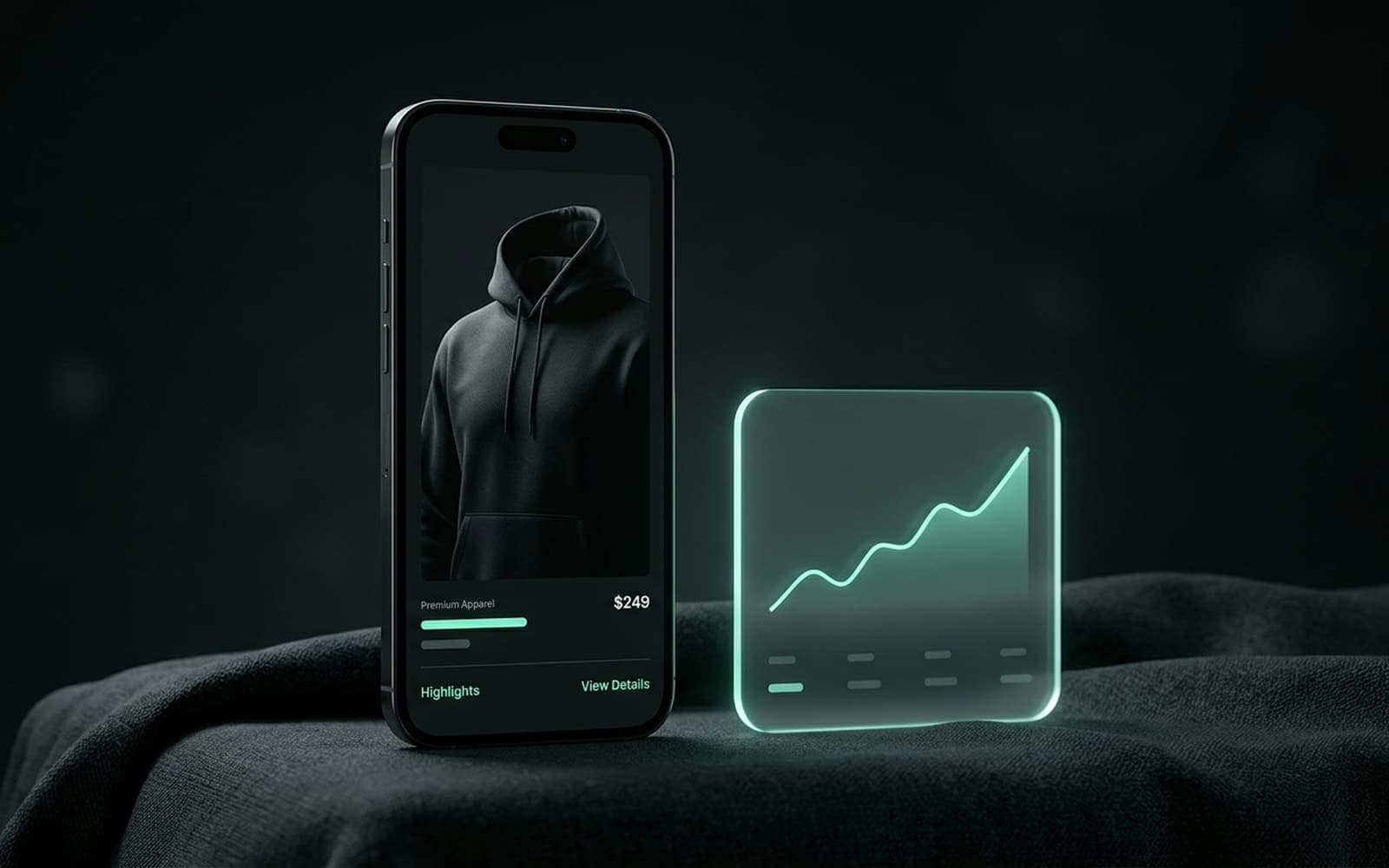
Loom & Lane
Shopify Plus replatform that lifted conversion rate by a third
Loom & Lane sells premium essentials to a loyal list, but the store ran on an aging custom platform that fought every campaign. Collection pages took ...
+31%
Conversion rate
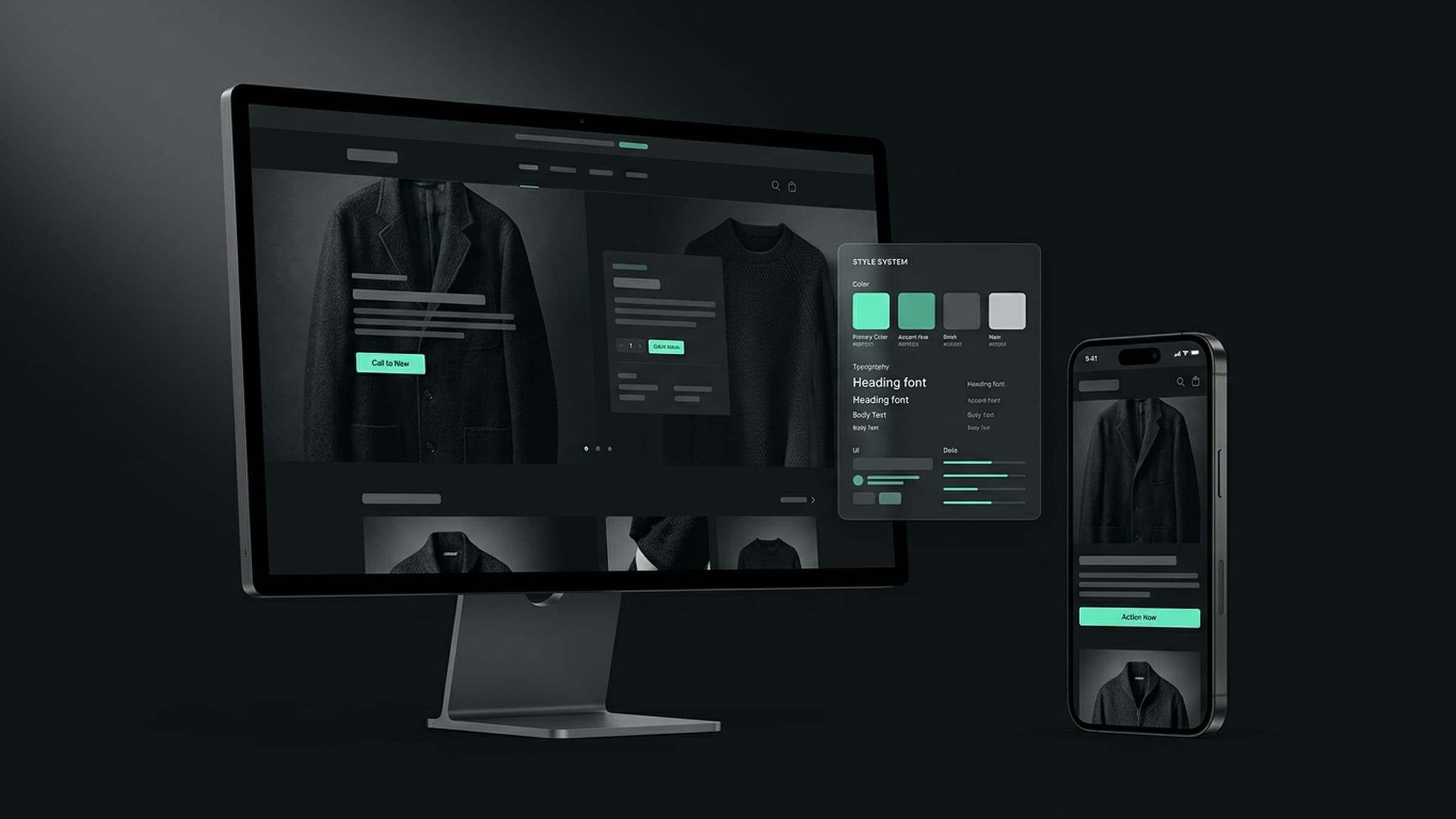
A custom theme, designed around your brand and measured against Core Web Vitals before launch. No page builder bloat, no app stacking, no paying twice for the same pixels.
140 stores built, 8 years on the platform, senior engineers only
Codioo develops custom Shopify themes that load fast and convert: designed around your brand, built in clean Liquid with sections your team can rearrange, and passing Core Web Vitals on mobile before launch. Theme builds start at $3,500 and run four to six weeks. We do not use page builders, and we remove the app stack that made your last template slow instead of hiding it.
A theme is a system, not a stack of pages. These are the pieces of that system.
Home, collection, product, cart, blog and supporting templates, designed against your brand and built as reusable sections with sane defaults.
You keep your identity, we rebuild the implementation: same look, faster load, cleaner code, no builder lock in.
We profile the stack of apps and scripts slowing your store, then remove, replace or rebuild until LCP and INP pass on real devices.
A palette of flexible sections with settings and blocks, so marketing ships a landing page in an afternoon without a developer.
Surgical changes to an existing theme: new template, altered flow, accessibility fixes, checkout adjacent pages.
Moving from vintage themes or Online Store 1.0 architecture to current standards without losing customisations.
A rented template is a fine start. Any of these means it has stopped paying its way.
Same template, same sections, same layout as three stores in your category. Brand recall is zero.
Every second of mobile load costs conversions. Stacked apps and builder wrappers push LCP past three seconds.
Every landing page is a developer ticket because the template has no flexible sections.
Your identity system evolved; the theme fights it in every section.
Monthly fees for tools that render slower versions of what Liquid sections do natively.
Template defaults fail contrast or keyboard use, and patching them app by app is not working.
A note on starting points, because they are cheaper than people think. A theme rebuild on an existing brand system runs from about $2,500 and keeps your identity while replacing everything underneath. Most brands that believe they need a full redesign need a rebuild plus a sharpened home page. The audit separates the two, and the honest answer is often the smaller number, delivered in three weeks instead of six.
Speed work starts with subtraction, not code. The typical slow store carries eight to twelve third party scripts: three analytics tags, a chat widget that loads eagerly, a review app that ships its own jQuery, a builder that wraps every section in divs. We inventory every script, classify it as needed, lazy or gone, and get the customer's signature on the list. Removing that load is worth more than any code we could write, and it is the difference between a fast demo and a fast store.
Then the theme earns its speed in the implementation. Images get proper sizes and priorities, with the product gallery and hero preloaded and everything else lazy. Fonts are subset and swapped. Sections render server side in Liquid, and the JavaScript that remains is islands: hydrate the cart, the gallery, nothing else. We budget each template: LCP under two seconds and INP under 200 milliseconds on a mid range phone over throttled 4G, measured on real devices, and the budget is in the contract.
Fast but rigid is a failure mode too. So the sections we build are flexible in the ways marketing actually flexes: reorderable, with settings for copy, media and colour mapping, and presets for common page shapes. The test we use is simple: can a competent marketer build a campaign landing page in an afternoon without touching code? If not, the section library is not done. We run that test with your team before handover, in a recorded training session.
Finally, a theme is a long lived asset, so it gets treated like one. Code lives in your repository with a CI check against theme lint rules and a staging pipeline. Updates to Shopify's theme architecture, like the Online Store 2.0 section everywhere model and newer theme blocks, arrive as upgrade PRs rather than surprises. The alternative, an editable theme nobody dares touch, is how stores end up frozen for years.
Four to six weeks for a full custom theme, faster for rebuilds on an existing brand system.
Step 1
Week 1
Speed profile, script inventory, template analytics: which pages actually carry revenue. You get the fixed quote.
Step 2
Weeks 1 to 3
Templates designed in browser at real sizes, mobile first, reviewed against your brand system section by section.
Step 3
Weeks 2 to 4
Liquid sections with settings and blocks, JavaScript islands only where needed, budgets enforced per template.
Step 4
Week 4
Core Web Vitals on real devices, accessibility pass, cross browser check. Fix what fails before anyone sees a staging link.
Step 5
Week 5
Recorded section training for your team, content migration, launch with a rollback copy of the old theme kept warm.
Step 6
2 weeks
Post launch monitoring of vitals and conversion against the old theme's baseline, then handover of the repository.
Native platform tooling first. Every dependency needs a reason to exist.
Numbers with baselines and measurement windows. The full library is on the case studies page.
Loom & Lane
Loom & Lane sells premium essentials to a loyal list, but the store ran on an aging custom platform that fought every campaign. Collection pages took ...
+31%
Conversion rate
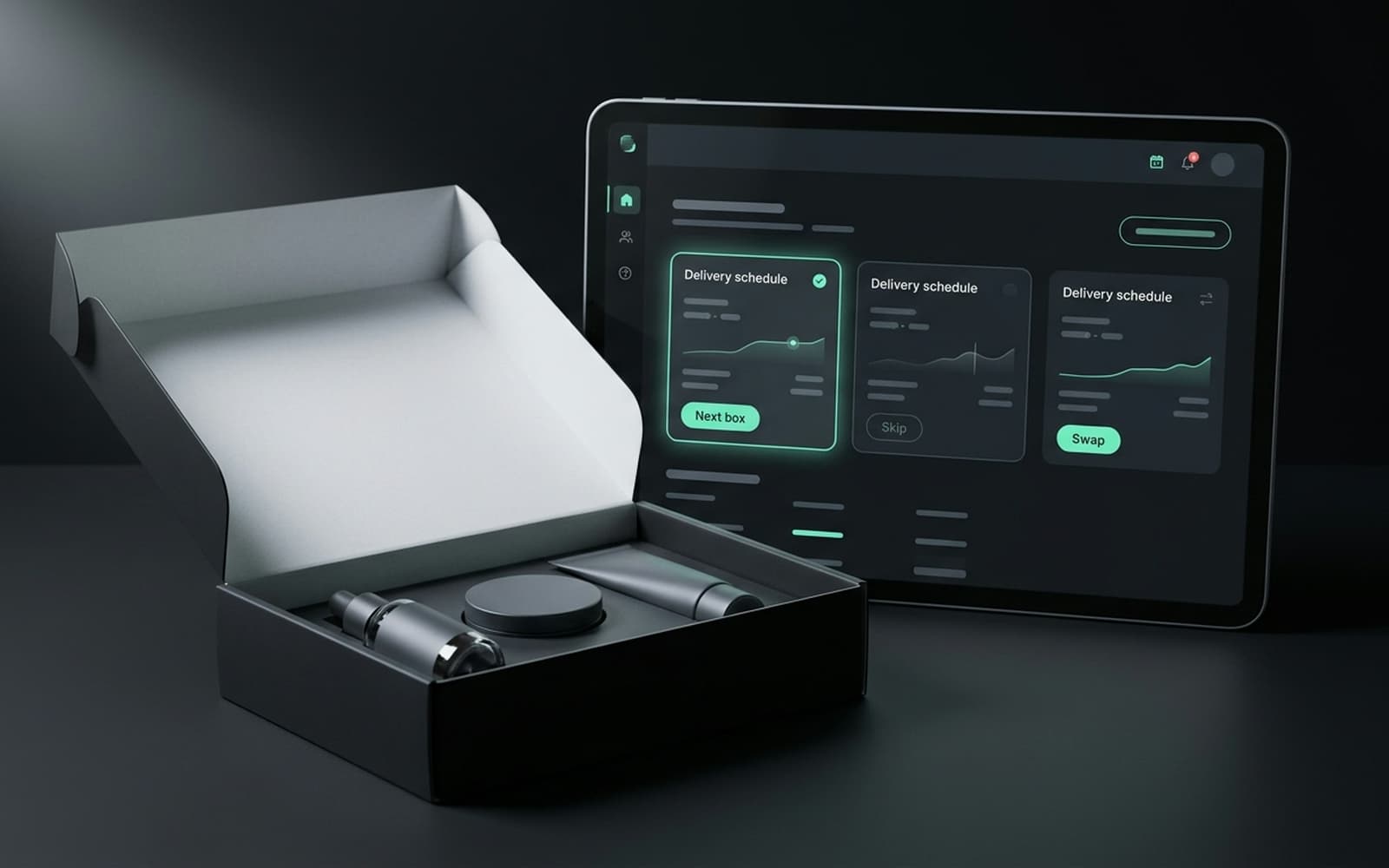
Aura Rituals
Aura Rituals ran subscriptions through an off the shelf app that could not express their bundle and swap rules. Subscribers hit dead ends changing pro...
-19%
Subscription churn
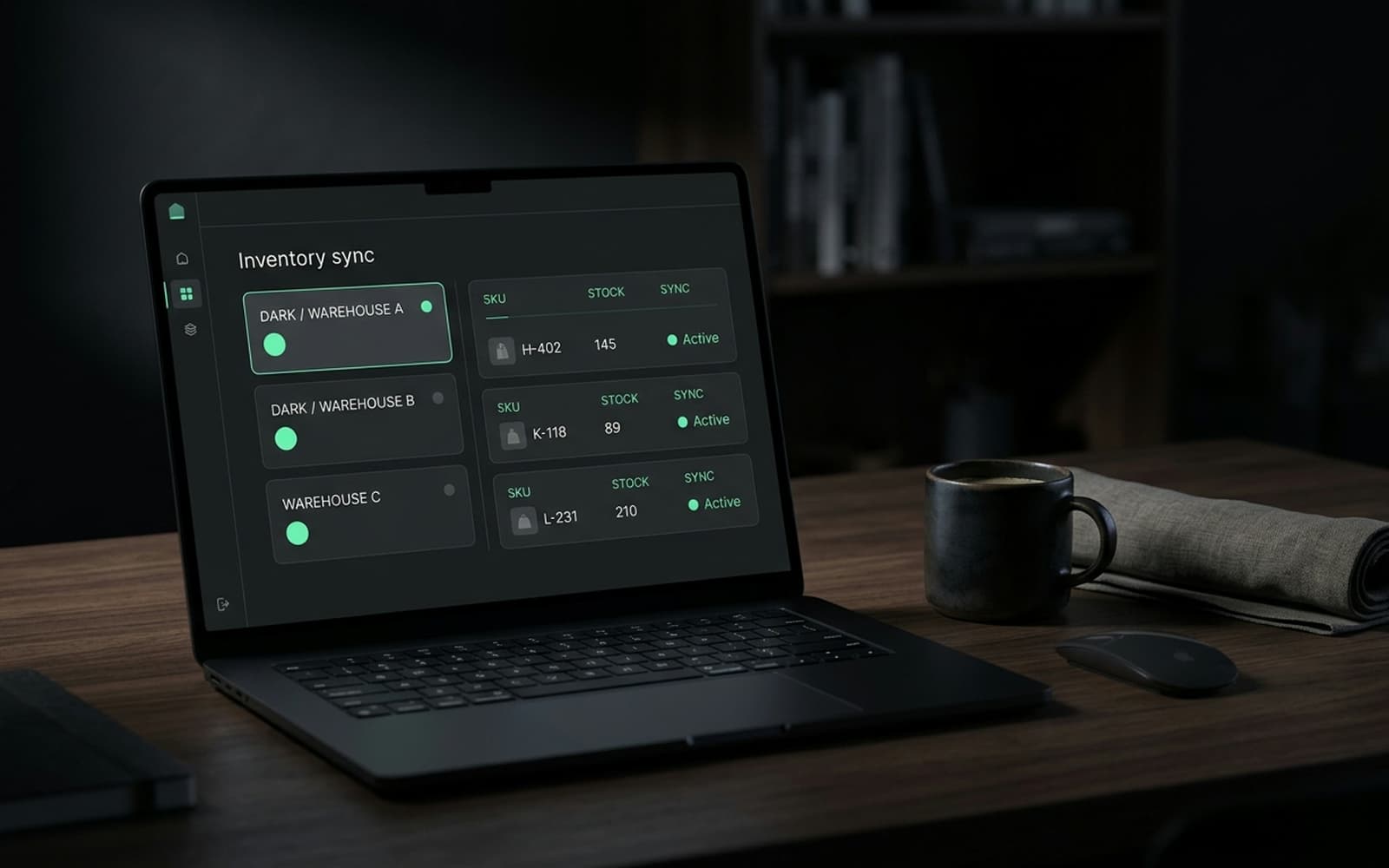
Hearthside Living
Hearthside Living sells across two storefronts and a marketplace while stock truth lives in NetSuite. The nightly sync ran every six hours, so peak se...
<2 min
Order sync latency
Pricing and timelines
The most common project type we quote. Fixed price against the template list in the signed scope.
| Project type | Price from | Timeline | What is included |
|---|---|---|---|
| Custom theme, standard store | $3,500 | 4 to 5 weeks | Up to 8 templates, section library, training, launch |
| Custom theme, content heavy | $5,000 | 5 to 6 weeks | Editorial templates, blog system, 12+ templates |
| Theme rebuild, same brand | $2,500 | 3 to 4 weeks | Rebuild of an existing design, faster and cleaner |
| Performance rescue | $1,500 | 2 weeks | Script audit, removal plan, Core Web Vitals to green |
| Ongoing theme care | $500/mo | Ongoing | Section requests, updates, monitoring, small fixes |
What changes the price
Updated 2026-09-21. Prices in USD, fixed per signed scope. See the full cost guide for every driver.
The replatform paid for itself inside two quarters. Codioo scoped honestly, held the timeline, and the new store converts better in month one than our old one did at peak.
They are the rare agency that argues with you when you are wrong. The subscription app they built cut our churn and our support load at once.
Preset answers about scope, price ranges and timelines. The audit turns them into numbers for your store.
Ask about your project
Instant answers, no chat window
Still unsure? The free store audit answers these for your store specifically, with numbers.
The questions clients ask before signing, answered plainly.
Tell us your store and goals. Within one business day you get the audit findings and a fixed price for shopify theme development, with a named team and a launch date.