Codioo
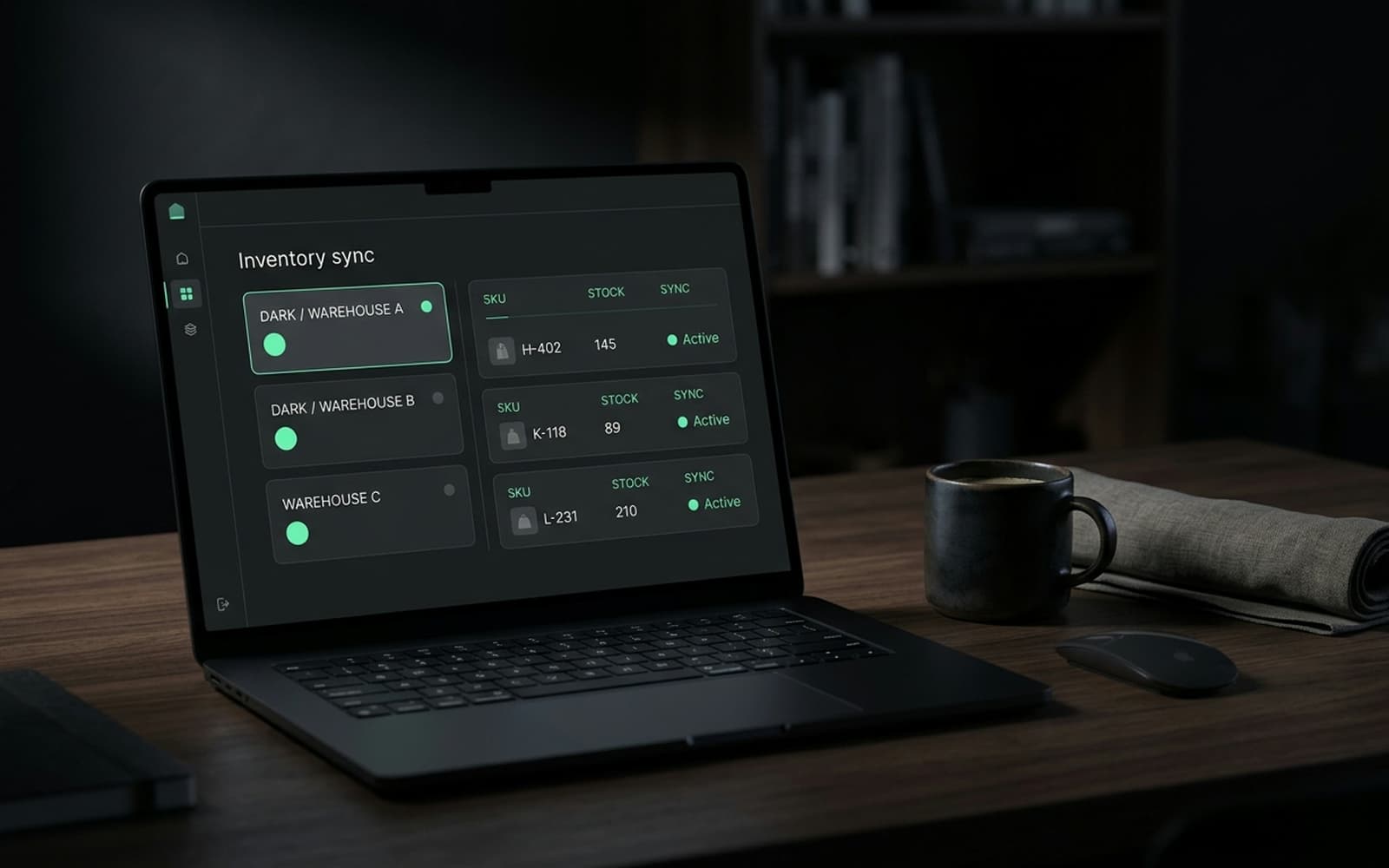
A custom Shopify admin app panel with an embedded dashboard inside the admin.

Shopify app development you own outright

Custom apps built on the Admin, Storefront and Functions APIs: subscription logic, wholesale tools, internal dashboards. Your code, your repository, no per order fees to anyone, ever.

140 stores built, 8 years on the platform, senior engineers only

Codioo builds custom Shopify apps: subscription engines, wholesale and B2B tools, fulfilment logic and internal dashboards, built on the official Admin, Storefront and Functions APIs. Apps start at $4,500 with fixed scope, ship in six to ten weeks, and transfer to your repositories at launch. You stop paying per order app fees and start owning logic nobody can switch off.

The apps we get asked for

Custom apps usually replace three subscription fees with one owned build. These are the recurring shapes.

Subscription engines

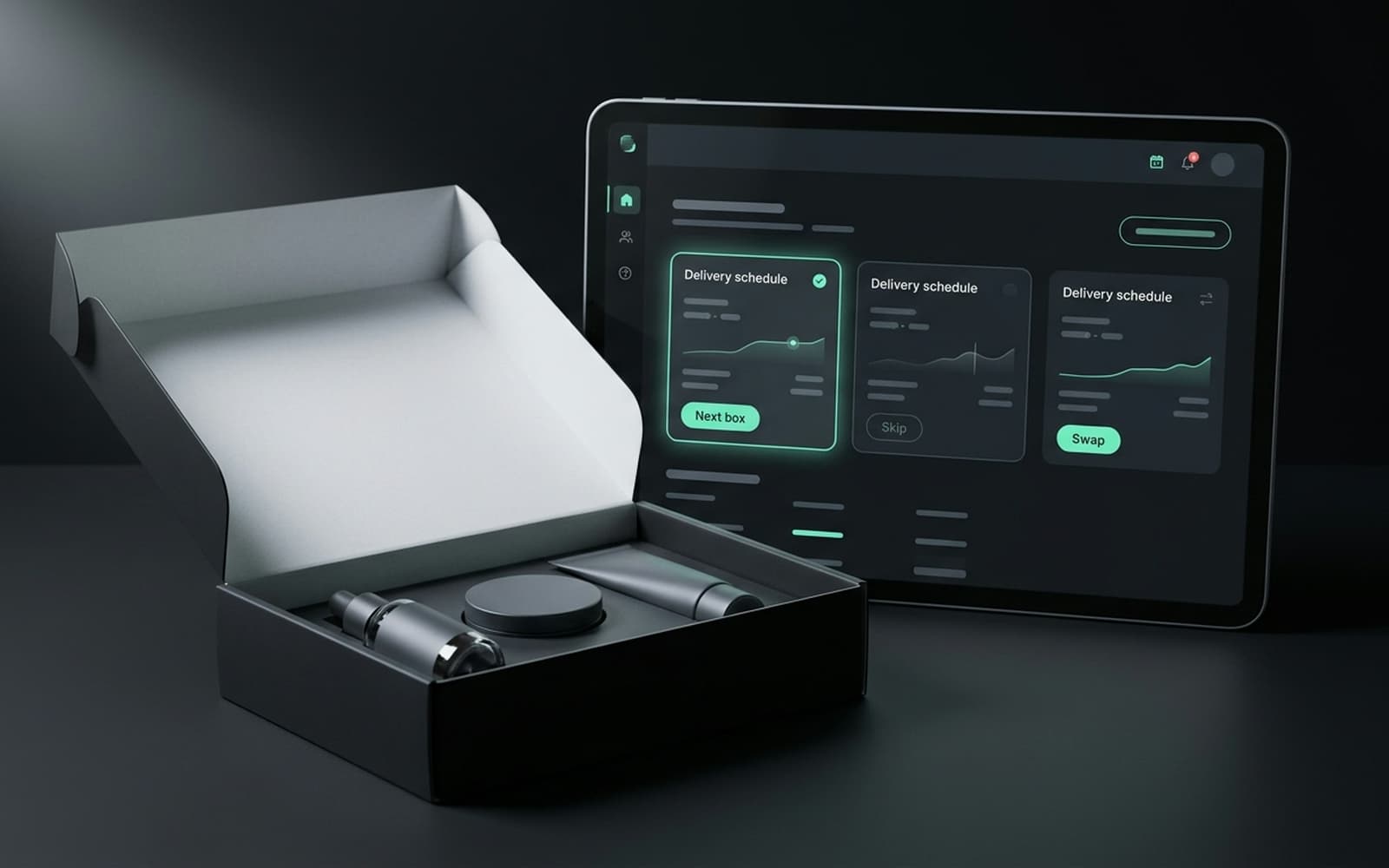
Box logic, swap and skip rules, pause and dunning flows, exactly your rules, with the customer portal on your domain.

Wholesale and B2B tools

Price lists per customer group, quote flows, order minimums, net terms tracking and quick reorder for account buyers.

Fulfilment and ops logic

Rules that decide how an order ships, kit and bundle assembly, split shipment decisions, and the exceptions screen your warehouse team needs.

Internal dashboards

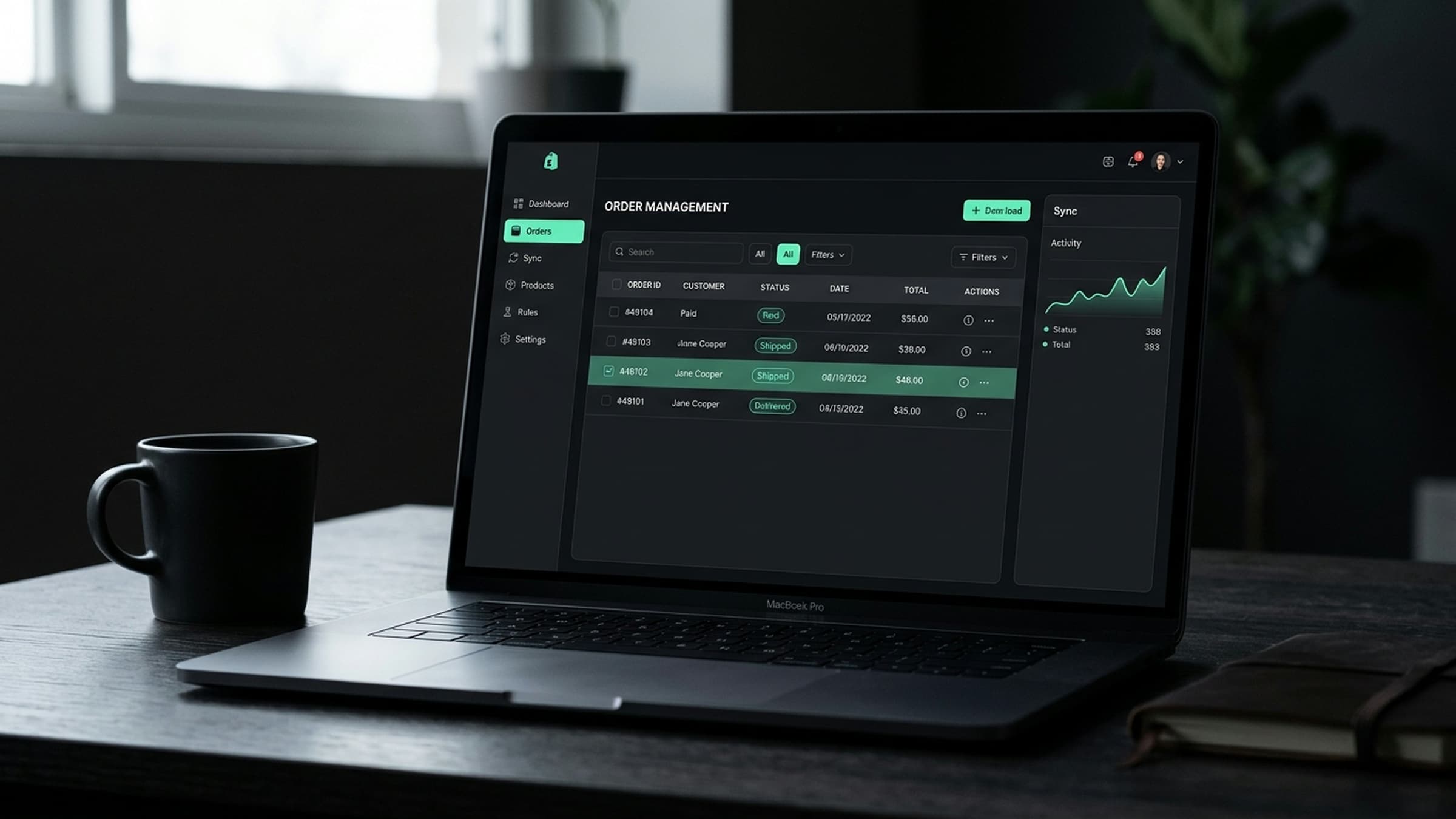
One screen inside the Shopify admin for the job your staff actually do: pick lists, approvals, content staging, fraud triage.

Storefront feature apps

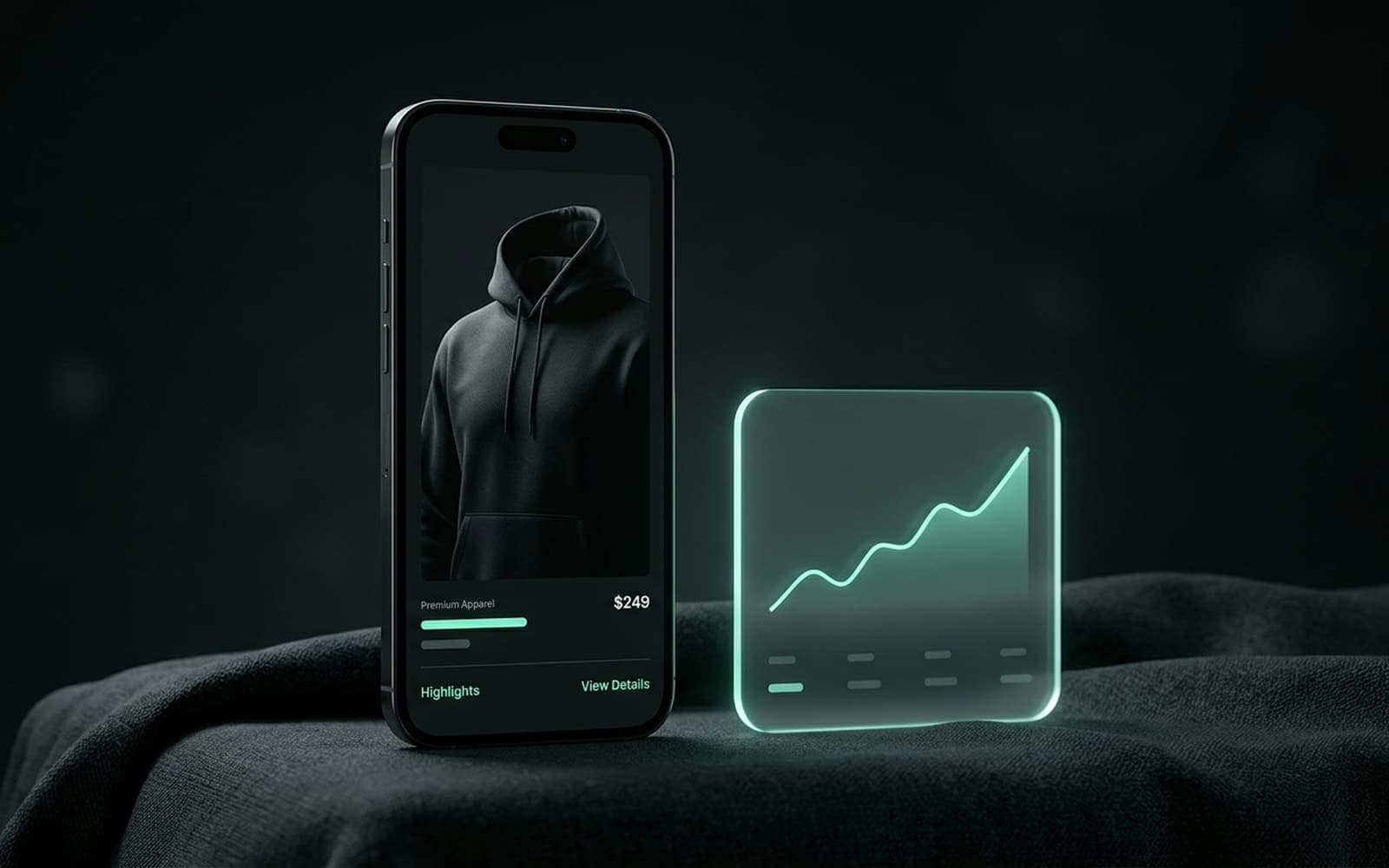
Wishlists, configurators, loyalty interactions and gift flows implemented as apps so they survive theme changes.

Migration off app fees

We audit your app bill, list what a custom build could replace, and model the break even month against your real volume.

When do you need a custom Shopify app?

The trigger is almost always arithmetic: subscription fees against build cost, or a need no app serves.

  • App fees scale with you

    Per order or per revenue pricing that grows monthly while the feature stays the same size.

  • Rules do not fit any app

    Your subscription, bundle or pricing rules have conditions every app vendor calls an edge case.

  • Staff export to spreadsheets

    Work leaves the admin for CSV round trips that break and age badly.

  • Apps conflict with each other

    Two apps fight over the same order data and support teams blame each other.

  • You need the data model

    Logic that needs its own tables, cron jobs and API endpoints, not a settings panel in someone else's cloud.

  • The vendor sunset an app

    A shutdown notice gives you ninety days to replace logic your business leans on.

How we build apps that stay healthy

Timing has an outsized effect on app projects. Building against a stable business process produces a clean app; building against a process still being invented produces a change log with no releases. We scope apps in two stages for exactly this reason: a production slice that captures the rules as they stand, then a hardening pass once the process settles. Teams that skip the staging almost always pay for it twice, once in rework and once in the support tickets the rework generates.

App architecture starts with billing permissions, oddly enough. The less an app can touch, the safer you are and the faster Shopify approves changes. We scope down relentlessly: read only where writing is unnecessary, webhook scoped instead of polling, admin UI pages instead of storefront script injection. A custom app inside your own store avoids the app store review path entirely, which is why internal tooling rarely needs to be public.

Money paths get engineering discipline. Webhooks arrive with HMAC signatures, land in a queue, and process with retries and a dead letter alert, because Shopify will redeliver but your customer will not wait. Idempotency keys guard every write that can be retried. The subscription engine treats billing edge cases, card failures, plan changes mid cycle, timezone boundaries in billing dates, as first class behaviour with tests, not as support tickets waiting to happen.

Admin UIs follow Polaris, Shopify's own design system, deliberately. Your staff already live in the Shopify admin every day; an internal tool that looks and behaves like it takes zero training. We build with App Bridge so the app sits embedded in admin navigation, respects staff permissions, and inherits your session handling. The measure of a good internal tool is that nobody schedules a meeting to explain it.

Ownership is the point of custom apps, so handover is engineered in. The app runs in infrastructure you control, commonly Cloudflare Workers or a small Node service, with secrets in your vault and billing in your accounts. Documentation covers the data model and the failure modes. At launch your developers get a recorded walkthrough and the runbook. If we disappear the next day, the app keeps running and any competent Shopify team can pick it up.
The app build, step by step

Discovery leans hard on arithmetic here: what the app replaces, and when it pays for itself.

  1. Step 1

    Week 1

    App audit

    Current app bill, rules inventory, conflict map. You get the build versus buy model with break even month.

  2. Step 2

    Weeks 1 to 2

    Technical design

    Data model, API scopes, webhook plan and the edge case list for your rules, signed before code.

  3. Step 3

    Weeks 2 to 5

    Core logic

    The rules engine and its tests on real shaped data, staged behind feature flags.

  4. Step 4

    Weeks 4 to 7

    Interfaces

    Customer portal if storefront facing, Polaris admin UI if internal, both responsive and accessible.

  5. Step 5

    Weeks 7 to 9

    Harden and launch

    Load testing against peak order volume, monitored rollout, rollback rehearsed, runbook written.

  6. Step 6

    Week 9 or 10

    Handover

    Repository transfer, developer walkthrough, documentation, then care plan or your team.

What you receive at handover

  • Repositories with readable commit history and documentation
  • A written runbook for launch, rollback and known edges
  • Recorded training sessions for the staff who run it daily
  • Every credential and secret in your own vaults
  • A baseline report so post launch numbers have a before

Frequently paired with

What we build apps with

Boring, hireable technology inside Shopify's supported surfaces.

Admin GraphQL APIStorefront API and Customer APIShopify Functions for checkout logicWebhooks with HMAC verificationApp Bridge and Polaris for embedded admin UIOAuth for storefront facing appsCloudflare Workers or Node.js runtimePostgreSQL or D1 for app dataQueues with retries and dead letter alertsStripe billing where payments leave ShopifyPlaywright tests on money pathsSentry for error tracking

Related case studies

Numbers with baselines and measurement windows. The full library is on the case studies page.

Pricing and timelines

App development pricing and timelines

Compared monthly against the app fees you stop paying, in writing, in the audit.

Project typePrice fromTimelineWhat is included
Scoped internal app$4,5006 to 8 weeksCore logic, admin UI, tests, handover
Subscription engine$8,0008 to 10 weeksRules, portal, dunning, billing edge cases
Wholesale or B2B app$7,0008 weeksPrice lists, quoting, minimums, reordering
Migration off an app$4,0004 to 6 weeksData export from the old app, parity build, cutover
App care plan$600/moOngoingMonitoring, API update tracking, fixes, small features

What changes the price

  • Number and complexity of business rules
  • Storefront surface: customer portal versus admin only
  • Billing edge cases if subscriptions are involved
  • Data migration from the apps being replaced
  • Peak order volume the app must absorb
  • Compliance: payments, privacy, audit trails

Updated 2026-09-21. Prices in USD, fixed per signed scope. See the full cost guide for every driver.

What clients say about this work

The integration just works. Orders land in NetSuite in minutes, stock comes back accurate, and our peak season ran without a single oversell.
Daniel OseiOperations Director, Hearthside Living
They are the rare agency that argues with you when you are wrong. The subscription app they built cut our churn and our support load at once.
Priya NairFounder, Aura Rituals

Ask about your project

Preset answers about scope, price ranges and timelines. The audit turns them into numbers for your store.

Ask about your project

Instant answers, no chat window

Still unsure? The free store audit answers these for your store specifically, with numbers.

Shopify app development FAQ

The questions clients ask before signing, answered plainly.

How much does Shopify app development cost?
Scoped internal apps start at $4,500, wholesale apps around $7,000, and subscription engines around $8,000 because billing edge cases dominate the work. Migrating off an existing app starts at $4,000. The audit models the build against the app fees it removes, with the break even month stated, before you commit to anything.
How long does a custom Shopify app take to build?
Six to ten weeks for most apps, from signed technical design to monitored launch. Internal tools with contained logic land at the low end. Subscription engines and anything touching checkout or billing run longer because the edge case list is longer and every one of them gets tests.
Who owns a custom app, us or the agency?
You do, without conditions. The repository, the infrastructure, the secrets, the billing accounts: all yours, transferred at launch with documentation and a recorded walkthrough. Our care plans are for continuity and improvements, not for keeping the lights on.
Will a custom app save money versus paid apps?
Usually yes past a volume threshold, and the audit states it numerically. If you pay $400 a month in app fees that a $4,500 build replaces, the break even is around month eleven. Below the threshold we recommend staying on the app, and we do that often enough that clients believe us when we say build.
Does a custom app need to be listed on the Shopify App Store?
No. Apps installed only in your store are custom apps: no review process, no revenue share, no public listing. App store distribution only matters if you intend to sell the app to other merchants, which is a different product decision.
What are Shopify Functions?
Functions are Shopify's supported way to change checkout and discount behaviour: server side logic that runs inside Shopify's infrastructure for validation, delivery options and pricing rules. We use them instead of checkout scripts, which means platform updates do not break your logic.
Can you migrate us off a subscription app we have outgrown?
Yes, and it is a common project. We export your subscribers, plans and billing state from the old app, rebuild the rules you actually use, migrate customers with their consent flows intact, and cut over with a rollback plan. The old app's export formats are workable even when their APIs are not.
How do you handle app security?
Minimum API scopes, HMAC verified webhooks, OAuth only where customers log in, secrets in your vault, and no customer data leaving your infrastructure. Access reviews are part of every care plan: scopes and staff permissions rechecked quarterly.
What happens if Shopify changes its APIs?
Versioned API deprecations are announced months ahead, and tracking them is part of our care plans. Because we build on official APIs rather than undocumented endpoints, updates arrive as scheduled maintenance PRs, not emergencies.
Do you build public apps for sale to other merchants?
We focus on custom apps for single merchants, which is where our depth is. If you want to productise an internal tool, we can scope the hardening, review process and multi tenant architecture that a public listing requires as a separate engagement.

Get a fixed quote for shopify app development

Tell us your store and goals. Within one business day you get the audit findings and a fixed price for shopify app development, with a named team and a launch date.

Stores built
140
Reply time
Within one business day
Cost
Free, no obligation

No obligation. We reply within one business day with next steps.