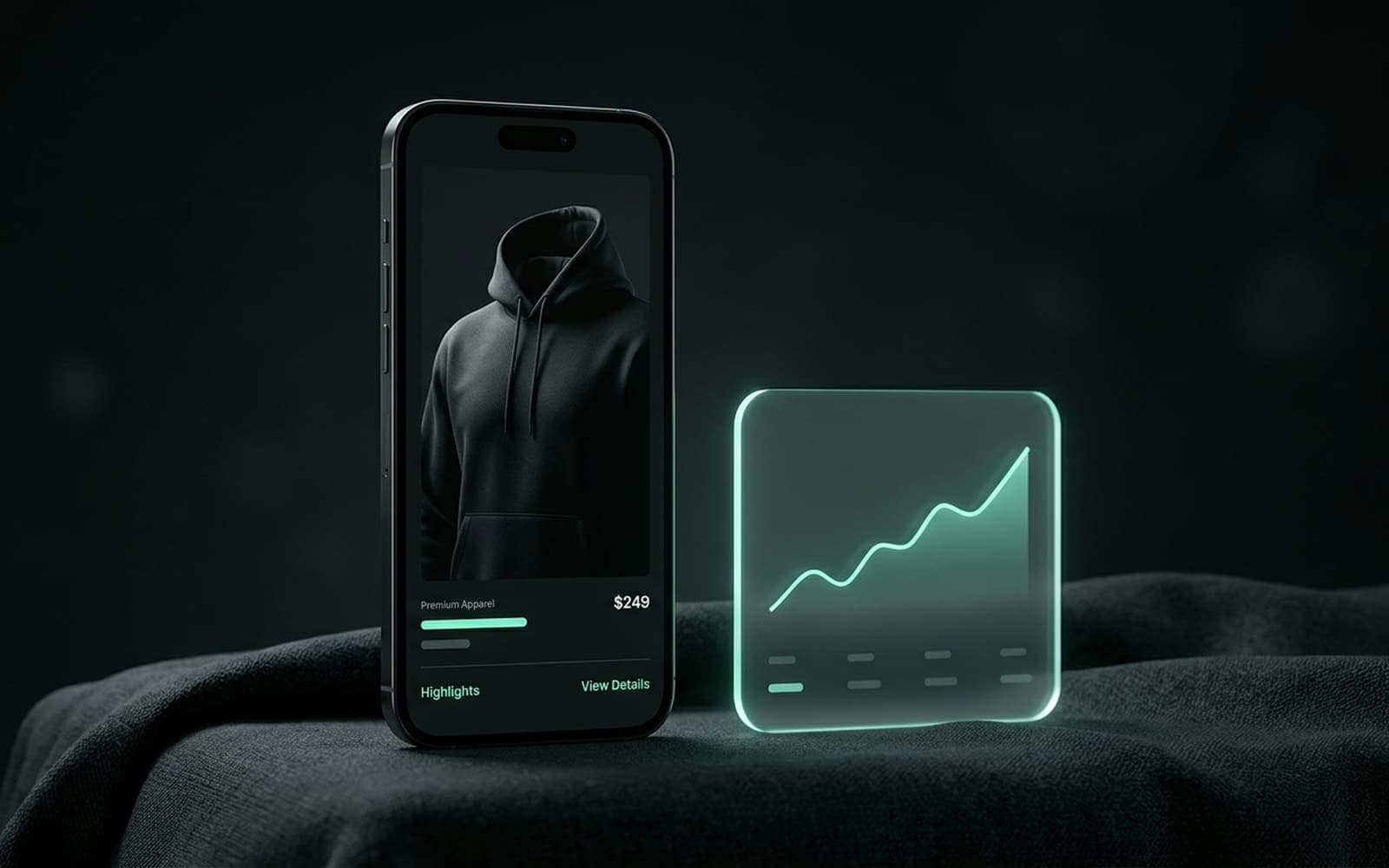
Loom & Lane
Shopify Plus replatform that lifted conversion rate by a third
Loom & Lane sells premium essentials to a loyal list, but the store ran on an aging custom platform that fought every campaign. Collection pages took ...
+31%
Conversion rate

Hydrogen storefronts on Shopify rails for brands whose content and commerce need more than themes can reach. We will also tell you when headless is the wrong answer, because twice a month it is.
140 stores built, 8 years on the platform, senior engineers only
Codioo builds Shopify headless storefronts on Hydrogen: custom React front ends with Shopify as the commerce engine, checkout and admin. Builds start at $15,000 and run ten to sixteen weeks. We recommend headless only when content depth, traffic or interaction demands genuinely exceed what themes can do, and we say so in writing in the audit, because a fast theme beats a slow headless site every day.
Headless is an architecture, not a feature list. These are the outcomes it unlocks when it fits.
React 19 front ends on Shopify's own framework, rendered at the edge with Oxygen, talking to the Storefront API.
Editorial, buying guides, community and product finders sitting inside the shopping flow instead of beside it.
Sub second first renders on content routes, streaming product data, caching tuned per page rather than per platform.
Configurators, quizzes, subscriptions and bundles as first class interfaces instead of scripts injected into a theme.
Several storefronts sharing one Shopify back end, one inventory and one admin, with brand specific front ends.
A staged move: theme keeps trading while the Hydrogen front end takes over route by route, with rollback at every step.
The honest bar is high. One of these, genuinely, not aspirationally.
Guides, education and editorial drive your funnel, and bolting them onto product pages has stopped working.
At your scale, theme render costs and app overhead are measurable revenue.
Configurators, quizzes, AR previews: interfaces that need full application control.
Distinct storefronts sharing inventory, fulfilment and admin.
You have front end engineers who will own the storefront after launch. Headless without owners decays.
A CMS your editors already live in, which must drive storefront content natively.
Budget honesty applies double to headless. A Hydrogen build that ships at $15,000 carries an assumption that your team can absorb routine front end work afterwards, because every marketing request that used to be a theme editor toggle becomes a component change. When that assumption holds, headless is excellent. When it does not, the annual cost of a developer retainer quietly exceeds the theme alternative. The audit prices both futures, not just the build.
Headless trading cost is real and we put it on the table in the first call. A theme marketer ships a landing page from the theme editor in an afternoon. A headless storefront turns that same request into a component build unless the front end is engineered for marketing flexibility, which costs design and build time up front. SEO is manageable: server rendering and disciplined canonicals keep headless indexable, but it is work you must do rather than defaults you inherit. And checkout stays Shopify's, which is usually a strength, until you want to change it and remember it is not yours.
So the audit answers one question first: what specifically will this store do that a fast custom theme cannot? If the list is empty or speculative, we recommend the theme and part as friends. If the list is real, content depth, traffic economics, interaction demands, then we design the migration as staged takeover: Hydrogen serves the routes that need it while the theme keeps trading on the rest. Every stage is reversible, which is how a replatform stops being a cliff edge.
When we do build, we build on Shopify's own rails rather than a bespoke stack. Hydrogen gives us React 19 server components, routing and caching conventions maintained by the platform vendor, and Oxygen renders it at the edge without a second cloud bill. The Storefront API feeds product data, and cart and checkout stay native, which keeps conversion machinery like Shop Pay intact. Content comes from your CMS of choice, Sanity for most, structured into the same design system as products so editors compose pages rather than begging developers.
The launch is not the end of the story, because headless storefronts need owners. We budget for that explicitly: your front end team gets architecture walkthroughs, the repository has documentation that explains decisions, and monitoring watches vitals per route. Care plans cover the platform surface that moves under you: Storefront API versions, Hydrogen releases, CMS upgrades. A headless build that ships without a maintenance plan is a slow motion outage, and we decline to build those.
Ten to sixteen weeks, with the theme trading until late in the schedule.
Step 1
Week 1
The headless versus theme decision, written down with numbers. Some audits end here with a theme recommendation, which is a good outcome.
Step 2
Weeks 1 to 3
Route plan, CMS modelling, caching strategy, analytics design, and the staged takeover sequence.
Step 3
Weeks 2 to 5
Components designed and built once, shared by editorial and commerce surfaces, documented for your team.
Step 4
Weeks 4 to 10
Hydrogen app, Storefront API layer, CMS integration, edge caching, analytics. Content routes first, money paths hardest.
Step 5
Weeks 10 to 13
Content routes move first, then product, then cart entry. The theme stays warm as rollback through the whole window.
Step 6
Weeks 13 to 16
Team training on the stack, documentation handover, monitoring live, care plan activated.
Shopify's own front end platform first, chosen to stay inside the vendor's supported path.
Numbers with baselines and measurement windows. The full library is on the case studies page.
Loom & Lane
Loom & Lane sells premium essentials to a loyal list, but the store ran on an aging custom platform that fought every campaign. Collection pages took ...
+31%
Conversion rate
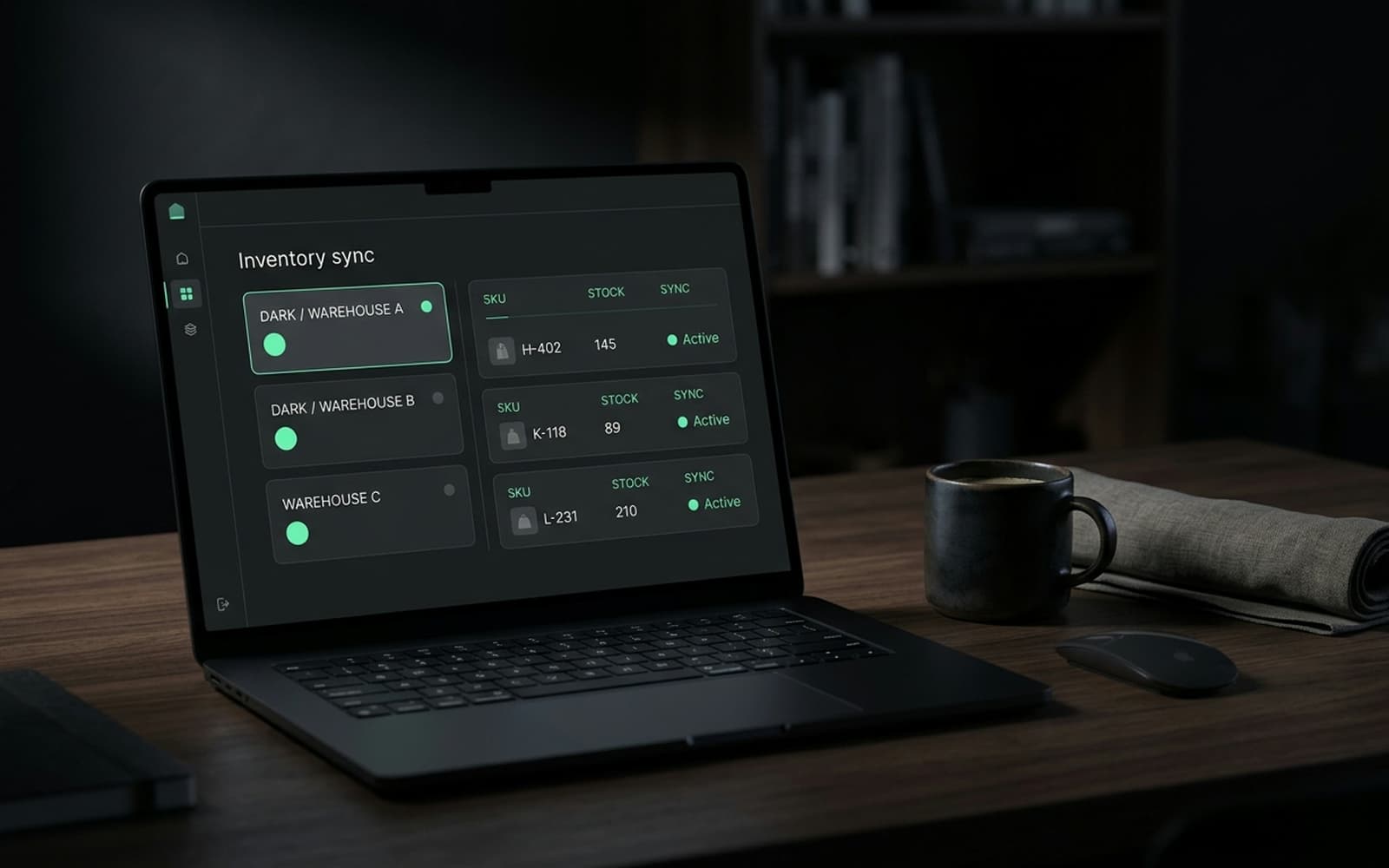
Hearthside Living
Hearthside Living sells across two storefronts and a marketplace while stock truth lives in NetSuite. The nightly sync ran every six hours, so peak se...
<2 min
Order sync latency
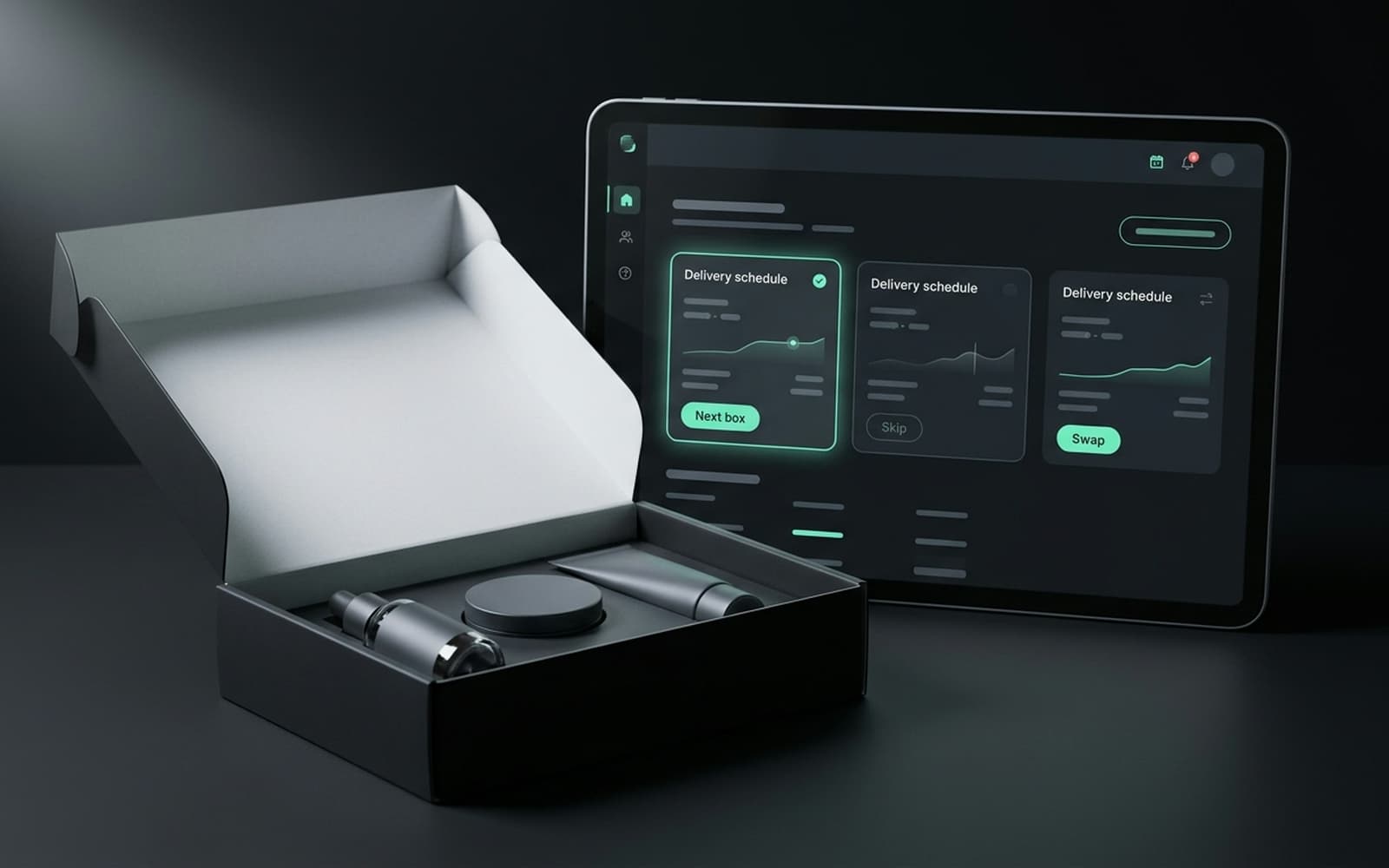
Aura Rituals
Aura Rituals ran subscriptions through an off the shelf app that could not express their bundle and swap rules. Subscribers hit dead ends changing pro...
-19%
Subscription churn
Pricing and timelines
Headless is the premium tier of storefront work, and the audit must justify it before we quote it.
| Project type | Price from | Timeline | What is included |
|---|---|---|---|
| Hydrogen storefront | $15,000 | 10 to 14 weeks | Front end, CMS, caching, staged cutover, training |
| Content heavy headless | $22,000 | 12 to 16 weeks | Editorial system, finders, multi locale |
| Multi brand architecture | $30,000 | 14 to 20 weeks | Shared backend, multiple front ends, per brand theming |
| Theme to headless migration | $13,000 | 10 to 12 weeks | Staged takeover with theme rollback throughout |
| Headless care plan | $1,200/mo | Ongoing | Vitals monitoring, dependency updates, capacity for changes |
What changes the price
Updated 2026-09-21. Prices in USD, fixed per signed scope. See the full cost guide for every driver.
The replatform paid for itself inside two quarters. Codioo scoped honestly, held the timeline, and the new store converts better in month one than our old one did at peak.
The integration just works. Orders land in NetSuite in minutes, stock comes back accurate, and our peak season ran without a single oversell.
Preset answers about scope, price ranges and timelines. The audit turns them into numbers for your store.
Ask about your project
Instant answers, no chat window
Still unsure? The free store audit answers these for your store specifically, with numbers.
The questions clients ask before signing, answered plainly.
Tell us your store and goals. Within one business day you get the audit findings and a fixed price for shopify headless development, with a named team and a launch date.