Codioo
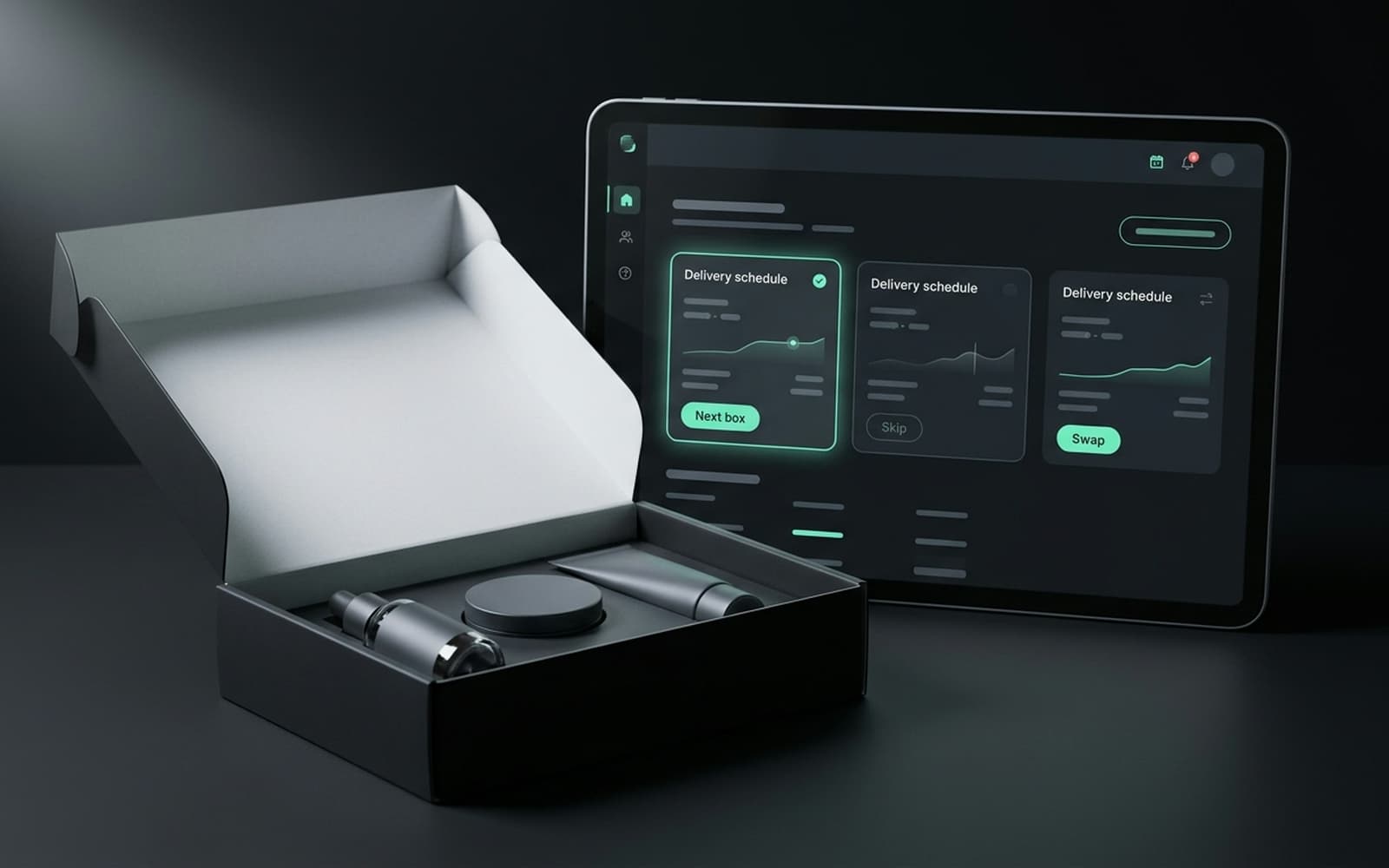
A dark operations dashboard showing live data flows between a store and backend systems.

Shopify integration services that stop the drift

Orders, inventory, customers and prices flowing between Shopify and the systems that run your business, in near real time, with queues, retries and alerts instead of nightly CSVs and hope.

140 stores built, 8 years on the platform, senior engineers only

Codioo connects Shopify to the systems that run your business: NetSuite, ERPs, 3PLs, CRMs and finance tools. Orders flow out in minutes, inventory and prices flow back per location, and customers sync both ways with de duplication. Integrations start at $4,000, run three to six weeks, and ship with queues, retries, reconciliation and alerts, because sync you cannot trust is worse than no sync.

What we connect

The four data domains that drift, and the systems that hold them.

ERP: NetSuite and friends

Orders out with payment and shipping detail, inventory and price lists back, ledger entries your finance team recognises. See our NetSuite and ERP pages.

3PL and warehouses

Fulfilment requests, shipment confirmations and tracking events back into Shopify so customers get truthful status. See the 3PL integration page.

CRM: Salesforce and others

Customers, orders and consent to the CRM your sales and service teams live in, with segments that reflect reality. See the Salesforce page.

PIM and catalogue tools

Product data mastered elsewhere flowing into Shopify metafields, with enrichment rules and image handling.

Marketing and analytics

Klaviyo, GA4 and warehouse style pipelines fed clean, event level data instead of sampled guesses.

Custom internal systems

The pricing engine, production planner or loyalty ledger you built in house, connected with the same discipline as the brand name systems.

When do you need integration work?

Integration pain is easy to spot. Any of these is a flow leaking money.

  • Oversells in peak season

    Stock updates arrive hours late, so you sell what you do not have and refund your way backwards.

  • Nightly CSV rituals

    Someone's evening is a spreadsheet export, a column rename, an import, and a prayer.

  • Customer service is blind

    Support toggles between three systems to answer one question about one order.

  • Finance reconciles by hand

    Month end is a data entry project instead of a review.

  • Channels disagree

    Shopify, the ERP and the marketplace all think different things about the same SKU.

  • You are about to replatform

    The new store inherits the old mess unless integrations are redesigned with it.

Three ways to integrate, and how we choose

The dirty secret of integration quotes is that the flows are cheap and the edges are expensive. Mapping an order to an ERP is a day of work; deciding what happens when the ERP is down for maintenance mid order, when a SKU is renamed between systems, or when a refund lands during a replan is where the real engineering lives. Our quotes price the edges explicitly, which is why they sometimes look higher than a marketplace connector and lower than the total cost of owning one.

Native connectors are the apps and built in integrations that come with each platform. They are the cheapest and fastest option, and they are the right answer when your flows are standard and your volume is moderate. Their limits show at the edges: field mappings you cannot change, sync frequencies you cannot raise, and errors surfaced as a red badge with no detail. When a connector covers your flows and nobody has to babysit it, use it. We say this first in every audit because it is the cheapest honest answer.

An iPaaS (Boomi, Celigo, Zapier at the simple end) buys you managed middleware: prebuilt connectors, visual mapping, monitoring and error queues without writing a synchronization engine. It suits teams who want configuration over code, multiple systems connected quickly, and a vendor contract instead of a codebase. The costs are subscription fees that scale with volume, and a ceiling: the day your logic needs custom rules, retries tuned to your warehouse hours or transformations iPaaS cannot express, you are back to workarounds.

Custom API integration is what we build when the logic is yours. A small service, Cloudflare Workers or Node, that consumes Shopify webhooks, applies your rules, writes to the target system and reports reconciliation. You own it, its limits are yours, and its behaviour is documented in your runbook instead of a vendor's changelog. It costs more than a connector on day one and less than an iPaaS by year two at volume. The audit lays out all three with real numbers for your flows, and we build whichever wins.

Whichever route, the engineering rules are the same. Every flow is idempotent so retries are safe. Every failure lands in a queue with an alert that names the record and the reason, never a silent drop. Reconciliation reports run daily: orders out, confirmations back, mismatches listed. And the sync behaves sensibly at the boundaries: paused during your warehouse count, throttled during flash sales, versioned when the ERP upgrades. Boring, observable plumbing is the entire product.

The integration project, step by step

Three to six weeks for a two system integration, longer per additional system or flow.

  1. Step 1

    Week 1

    Flow audit

    We map what actually happens today: data owners, volumes, timing, failure rituals. Fixed quote at the end of the week.

  2. Step 2

    Week 1

    Architecture decision

    Native, iPaaS or custom, with costs over three years for your volumes, written down and signed.

  3. Step 3

    Weeks 2 to 4

    Build

    Flows built with idempotency, retries and reconciliation from the first line, in sandbox against shaped copies of your data.

  4. Step 4

    Week 4 or 5

    Rehearsal

    Peak volume replay, failure drills (we pull the plug on purpose), and the ops runbook written with your team.

  5. Step 5

    1 week

    Cutover

    Parallel run against the old process, then switchover with a rollback plan and both systems kept warm.

  6. Step 6

    2 weeks

    Watch

    Daily reconciliation reviews while trust builds, then monitoring and alerts carry it.

What you receive at handover

  • Repositories with readable commit history and documentation
  • A written runbook for launch, rollback and known edges
  • Recorded training sessions for the staff who run it daily
  • Every credential and secret in your own vaults
  • A baseline report so post launch numbers have a before

Frequently paired with

Systems and protocols we work with

Brand name platforms and your in house ones, treated with the same engineering rules.

NetSuite (SuiteTalk and REST)Microsoft Dynamics, SAP Business One, AcumaticaBrightpearl, DEAR, Cin7Salesforce Sales and Service CloudHubSpot3PLs: ShipBob, Red Stag, Ryder and custom WMSKlaviyo, Attentive, BrazeShopify Admin, Storefront and Customer APIsWebhooks, REST and GraphQLSFTP and AS2 for legacy exchangesQueues: Redis, SQS, Cloudflare QueuesDatadog or your observability stack

Related case studies

Numbers with baselines and measurement windows. The full library is on the case studies page.

Pricing and timelines

Integration pricing and timelines

Priced per flow set. Every quote includes the three year cost comparison across native, iPaaS and custom.

Project typePrice fromTimelineWhat is included
Two system integration$4,0003 to 6 weeksOrders and inventory flows, retries, reconciliation, alerts
NetSuite integration$6,0005 to 8 weeksOrders, stock, customers, prices, ledger entries
3PL connection$3,0003 to 4 weeksFulfilment out, tracking back, exception screen
CRM sync$3,5003 to 5 weeksCustomers, orders, consent, segments
Integration care plan$500/moOngoingMonitoring, reconciliation reviews, API updates, fixes

What changes the price

  • Number of flows and direction of each
  • Target system API quality and rate limits
  • Data cleanliness, de duplication and mapping complexity
  • Peak volumes the sync must absorb
  • Whether historical data migrates or only forward sync
  • Compliance requirements on customer and payment data

Updated 2026-09-21. Prices in USD, fixed per signed scope. See the full cost guide for every driver.

What clients say about this work

The replatform paid for itself inside two quarters. Codioo scoped honestly, held the timeline, and the new store converts better in month one than our old one did at peak.
Amelia HartHead of Ecommerce, Loom & Lane
The integration just works. Orders land in NetSuite in minutes, stock comes back accurate, and our peak season ran without a single oversell.
Daniel OseiOperations Director, Hearthside Living

Ask about your project

Preset answers about scope, price ranges and timelines. The audit turns them into numbers for your store.

Ask about your project

Instant answers, no chat window

Still unsure? The free store audit answers these for your store specifically, with numbers.

Shopify integration services FAQ

The questions clients ask before signing, answered plainly.

How much do Shopify integration services cost?
A two system integration starts at $4,000. NetSuite work starts at $6,000 because the flow set is wider. 3PL connections start at $3,000 and CRM syncs at $3,500. Every quote includes a three year cost comparison of native connector, iPaaS and custom build against your real volumes, so the choice is arithmetic rather than preference.
How long does a Shopify integration take?
Three to six weeks for a two system integration with orders and inventory. NetSuite and multi system programs run five to eight weeks. The schedule includes failure drills and a parallel run before cutover, because an integration nobody has watched fail is an integration nobody trusts.
Native connector, iPaaS or custom API integration?
Use the native connector when flows are standard and volume moderate: cheapest, fastest, good enough. Use an iPaaS when you need several systems connected quickly and prefer configuration over code, accepting subscription costs. Go custom when your logic is unusual, volumes are high, or you need exact control: higher day one cost, lowest long run cost, full ownership. The audit prices all three for your situation.
Can you sync inventory in real time?
Near real time, which is what your business actually needs: webhook triggered updates land in seconds, throttled and batched so rate limits and peak surges do not cause storms. True real time is a mirage at API rate limits. Our current benchmark is order to NetSuite in under two minutes.
What happens when a sync fails?
The record lands in a retry queue with an alert naming the record and reason. Retries run with backoff; a record that keeps failing moves to a dead letter list your ops team sees on one screen, with the fix usually a data correction, not a code change. Daily reconciliation reports compare both systems and list mismatches before customers notice them.
Do you work with NetSuite specifically?
Yes, it is our most common ERP target. Orders, inventory, customers, prices and ledger entries, via SuiteTalk or the REST APIs. There is a dedicated NetSuite integration page with the flow details, options comparison and a case study.
Can you fix an integration another agency built?
We start with a paid audit of the current sync: architecture review, failure mode analysis, data quality check. You get findings and options, then choose repair, rebuild or replace. Taking over sight unseen is how the same failure comes back in three months wearing a different logo.
Will the integration slow down our store?
No. Integrations consume webhooks and the Admin API outside the customer facing path. Storefront performance is untouched; if anything it improves, because inventory truth arriving on time removes the oversell and urgency banner cycles that hurt conversion.
Who owns the integration code?
You do, on custom builds: repository, infrastructure and documentation transfer at launch. For native and iPaaS routes you own the configurations and accounts. Care plans keep everything monitored and current, cancellable with 30 days notice.
What does integration support include?
From $1,500 a month: sync monitoring, reconciliation reviews, alert triage, API version tracking for every connected system, and fixes. Changes of scope, like a new marketplace or a second warehouse, are quoted separately.

Get a fixed quote for shopify integration services

Tell us your store and goals. Within one business day you get the audit findings and a fixed price for shopify integration services, with a named team and a launch date.

Stores built
140
Reply time
Within one business day
Cost
Free, no obligation

No obligation. We reply within one business day with next steps.