
Loom & Lane
Shopify Plus replatform that lifted conversion rate by a third
Loom & Lane sells premium essentials to a loyal list, but the store ran on an aging custom platform that fought every campaign. Collection pages took ...
+31%
Conversion rate
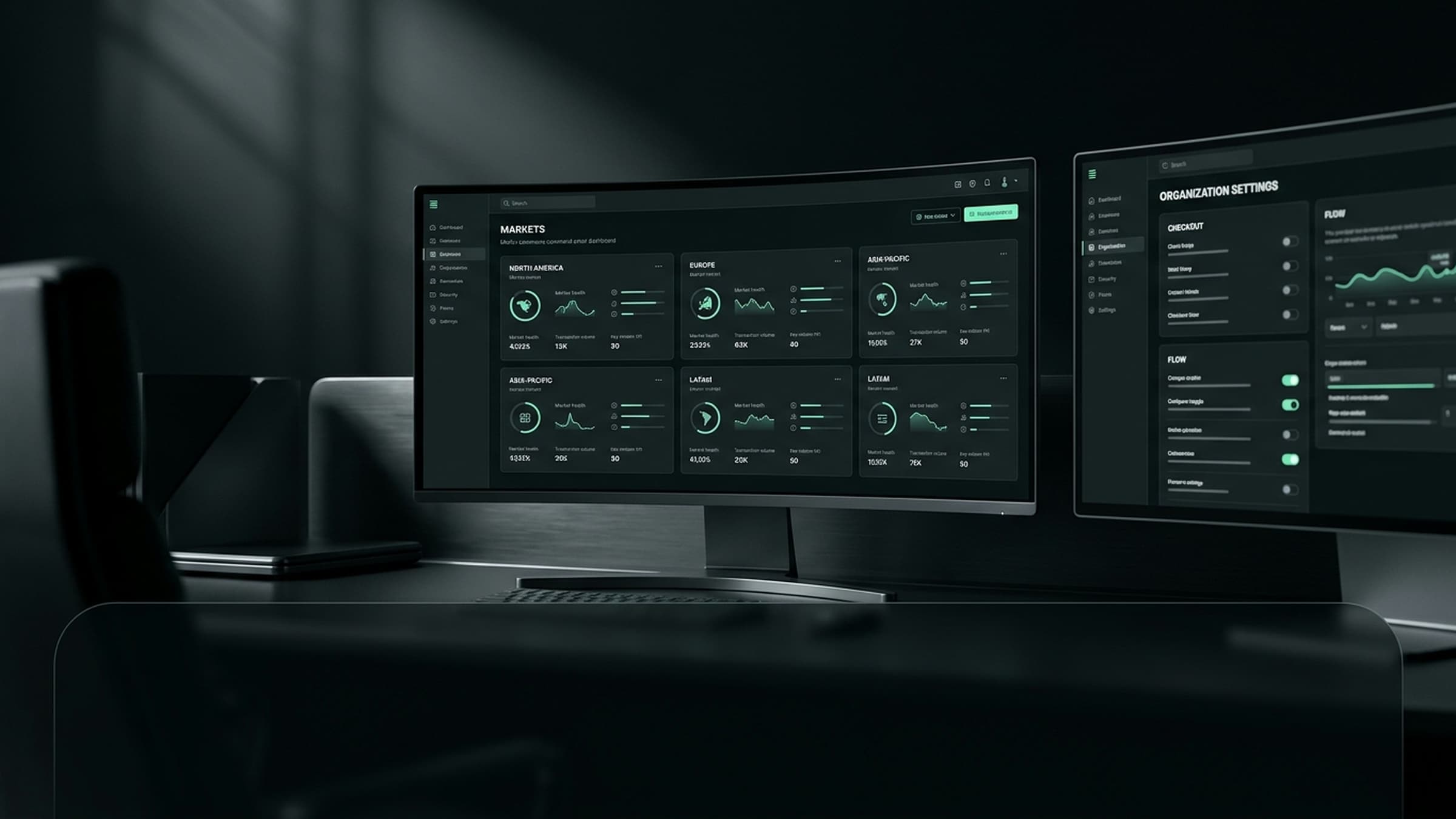
We replatform growing brands to Shopify Plus and build on Plus features only where they pay for themselves. Fixed price, named team, 8 to 12 week launches with a redirect map that protects your rankings.
140 stores built, 8 years on the platform, senior engineers only
Codioo is a Shopify Plus development agency that replatforms established brands without losing SEO, speed or trading days. A Plus build with us runs 8 to 12 weeks, starts at $9,000, and ends with a fixed scope delivered by named senior engineers. We decide Plus feature by feature: you get checkout extensibility, Flow automation and multi market tooling where they earn their keep, and honest advice where standard Shopify is enough.
Plus is not a theme with a badge. It is a different contract: different limits, different checkout, different automation. These are the builds that justify it.
Catalogue, customers, orders, reviews and content migrated from Magento, WooCommerce, custom stacks or another Shopify plan, with a one to one 301 redirect map and a 60 day indexation watch after launch.
Checkout blocks and Shopify Functions for upsells, validation rules, delivery options and loyalty redemption built on the official APIs, so you stay upgrade safe instead of patching scripts.
One store, many markets: localised catalogues, currencies and duties through Shopify Markets, or separate stores stitched with a shared inventory when the business needs that shape.
The repetitive work your team does by hand, order tagging, fraud triage, replenishment alerts, customer re engagement, built as Flow templates your staff can read and adjust.
Company accounts, catalogues per customer group, net terms and minimum orders, plus the frontend patterns that make a B2B store pleasant for a buyer who orders every Monday.
Flash sale pages, scheduled campaigns and inventory holds configured for Black Friday, with a load tested checkout and a runbook your team can execute without us.
Plus costs more per month, so the trigger matters. Any one of these signals usually justifies the move.
Staff seats, API call limits or variant caps are interrupting real work more than once a month. Plus raises all three.
Upsells at checkout, custom validation, delivery promises. On standard plans checkout is locked; on Plus it is extensible.
Plus negotiates payment processing rates. Above a threshold the discount on processing outweighs the platform fee. We will help you do that math with your real numbers.
Multiple currencies, languages and duty regimes from one admin. Markets handles most of it; Plus handles the edge cases.
Order tagging, approval chains, stock alerts. Flow on Plus removes work your operations team does daily.
Maintenance cost and release risk are climbing while the store stands still. A Plus replatform ends the security patch treadmill.
One question deserves a number instead of an opinion: what does Plus actually cost to run? The platform fee is Shopify's side of the contract, negotiated per merchant, and the processing rate discount is yours. At roughly $1M annual GMV the processing savings usually cover the fee difference; at $5M they exceed it several times over. The audit runs this arithmetic with your real numbers before anyone signs anything, because recommending Plus to a brand that standard Shopify serves well is the most expensive advice an agency can give for free.
A Plus replatform fails in predictable places: data that does not map cleanly, redirects discovered after launch, and a team that learns the new admin on go live week. Our process is built around those three. Before any design work, we profile your catalogue, customer records and historical orders in a sandbox and publish a migration matrix: every entity, where it lands, and what happens to the ones that do not map. You sign that matrix, so the data conversation happens in week two instead of launch week.
SEO survival is engineering, not luck. We crawl your live site, map every indexed URL to its new destination, and ship the 301 file as part of the build, not as a post launch patch. Metadata, canonicals and structured data are implemented on the new templates before migration rehearsal. After launch we watch indexation and search console daily for 60 days and fix drift as part of the contract. Our benchmark for recent replatforms is no net loss of organic sessions: verify the current sample in content/site.ts before quoting it.
On checkout, the rule is to extend, never fork. Checkout blocks and Shopify Functions run inside Shopify's upgrade path; rewritten checkout scripts run outside it and break on platform updates. Everything we ship in checkout is traceable to a metric: an upsell that pays, a validation rule that stops refund churn, a delivery option that converts. If a checkout change cannot be tied to a number, we will tell you not to build it.
The last week of a Plus project is not code, it is rehearsal. We run two full migration rehearsals against a copy of production, time each one, and write the go live runbook with named steps, owners and a rollback path. Launch day is deliberately boring: the runbook executes, the store opens, and your team has already been trained on the admin in two recorded sessions that stay yours.
Durations are typical for a mid size catalogue. Yours are fixed in the signed scope before work starts.
Step 1
Week 1
Store, data and integration audit. You receive the migration matrix, the redirect inventory and the fixed quote.
Step 2
Weeks 1 to 2
Markets or multi store decision, app stack review, checkout extension list with the metric each one serves.
Step 3
Weeks 2 to 5
Templates for home, collection, product, cart and B2B pages against your brand system, reviewed in browser at real sizes.
Step 4
Weeks 4 to 9
Theme, checkout extensions and Flow automations built. Catalogue and customer data rehearsed twice in sandbox.
Step 5
Week 9 or 10
DNS cutover by runbook, 301 file live, staff training done, 60 day indexation watch begins.
Step 6
Weeks 10 to 12
Speed and conversion checks against baseline, first experiment backlog, handover of every repository and credential.
The platform pieces we work with daily, chosen for upgrade safety first.
Numbers with baselines and measurement windows. The full library is on the case studies page.
Loom & Lane
Loom & Lane sells premium essentials to a loyal list, but the store ran on an aging custom platform that fought every campaign. Collection pages took ...
+31%
Conversion rate
Hearthside Living
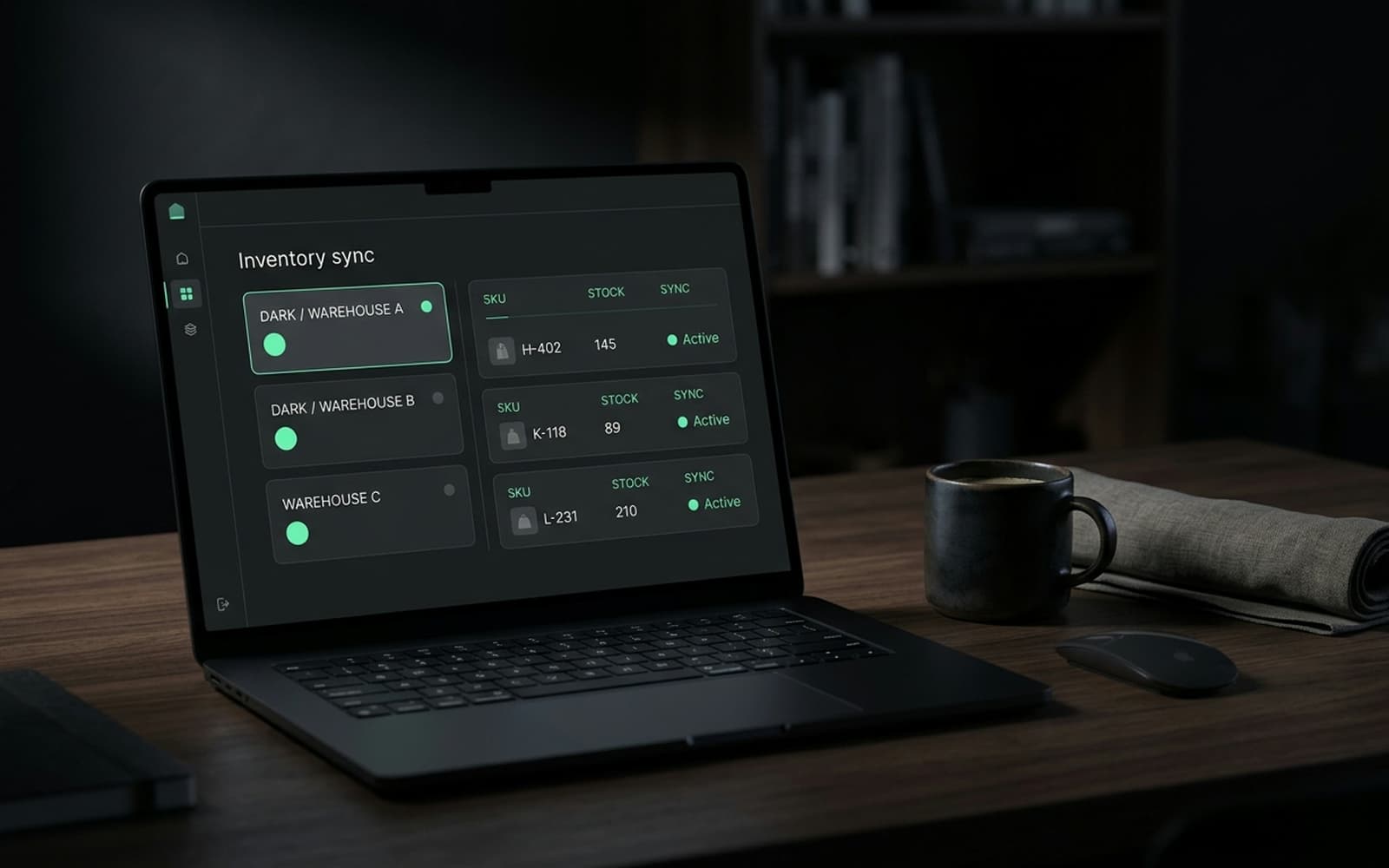
Hearthside Living sells across two storefronts and a marketplace while stock truth lives in NetSuite. The nightly sync ran every six hours, so peak se...
<2 min
Order sync latency
Aura Rituals
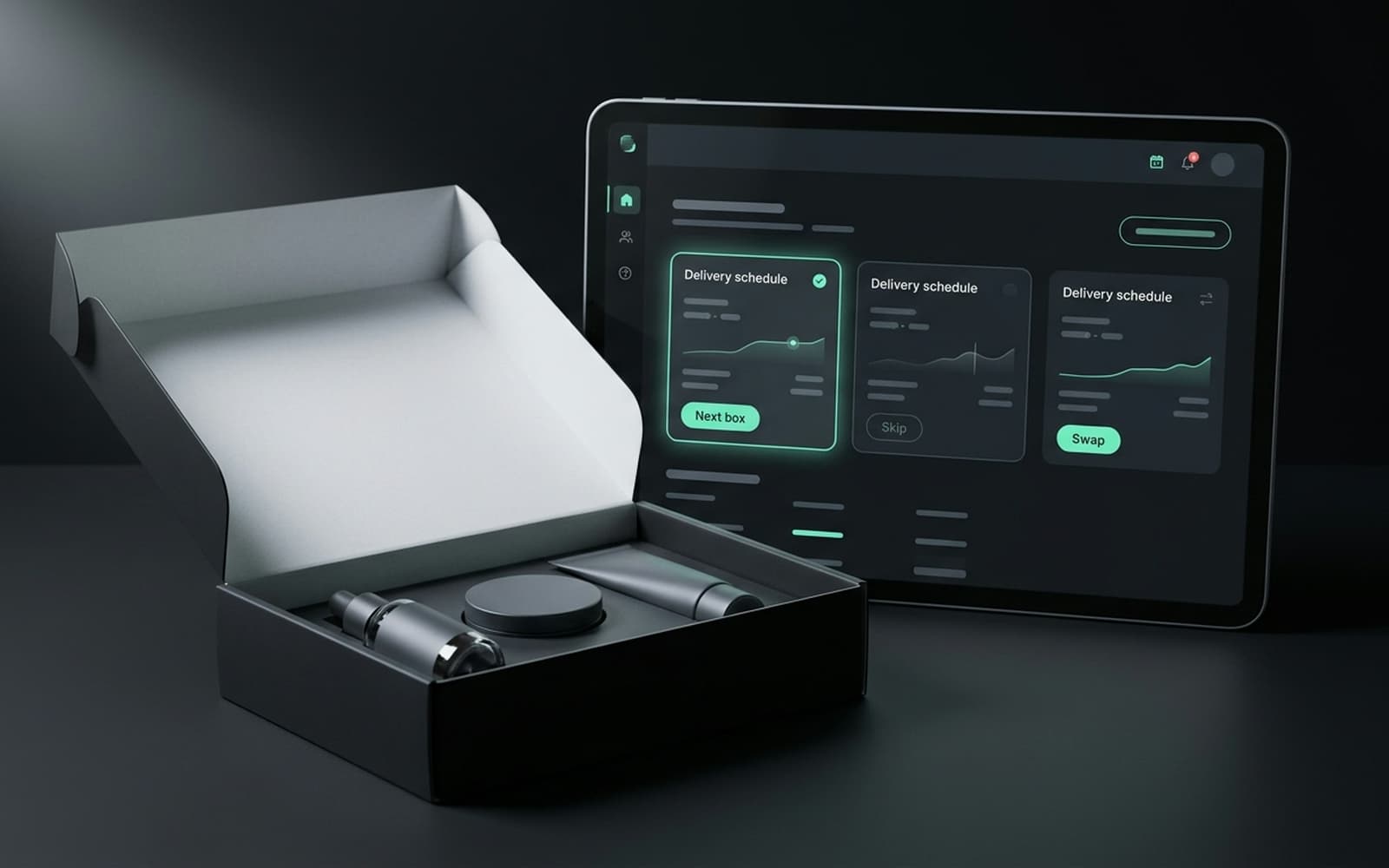
Aura Rituals ran subscriptions through an off the shelf app that could not express their bundle and swap rules. Subscribers hit dead ends changing pro...
-19%
Subscription churn
Pricing and timelines
Real ranges from our quote history. Your fixed price is set after the audit and does not move unless scope does.
| Project type | Price from | Timeline | What is included |
|---|---|---|---|
| Plus replatform, standard catalogue | $9,000 | 8 to 10 weeks | Migration, theme, markets, redirect map, training |
| Plus replatform, complex data | $15,000 | 10 to 14 weeks | Multi storefront, B2B, historical order migration |
| Checkout extension set | $4,500 | 3 to 5 weeks | Up to three blocks or functions, with metrics |
| Flow automation program | $2,000 | 2 to 4 weeks | Audit, templates, documentation, staff training |
| Plus care plan | $900/mo | Ongoing | Monitoring, monthly report, experiments, fixes |
What changes the price
Updated 2026-09-21. Prices in USD, fixed per signed scope. See the full cost guide for every driver.
The replatform paid for itself inside two quarters. Codioo scoped honestly, held the timeline, and the new store converts better in month one than our old one did at peak.
The integration just works. Orders land in NetSuite in minutes, stock comes back accurate, and our peak season ran without a single oversell.
Preset answers about scope, price ranges and timelines. The audit turns them into numbers for your store.
Ask about your project
Instant answers, no chat window
Still unsure? The free store audit answers these for your store specifically, with numbers.
The questions clients ask before signing, answered plainly.
Tell us your store and goals. Within one business day you get the audit findings and a fixed price for shopify plus development, with a named team and a launch date.